
National Pride
Behind the scenes at the 2026 National Wine Awards of Canada

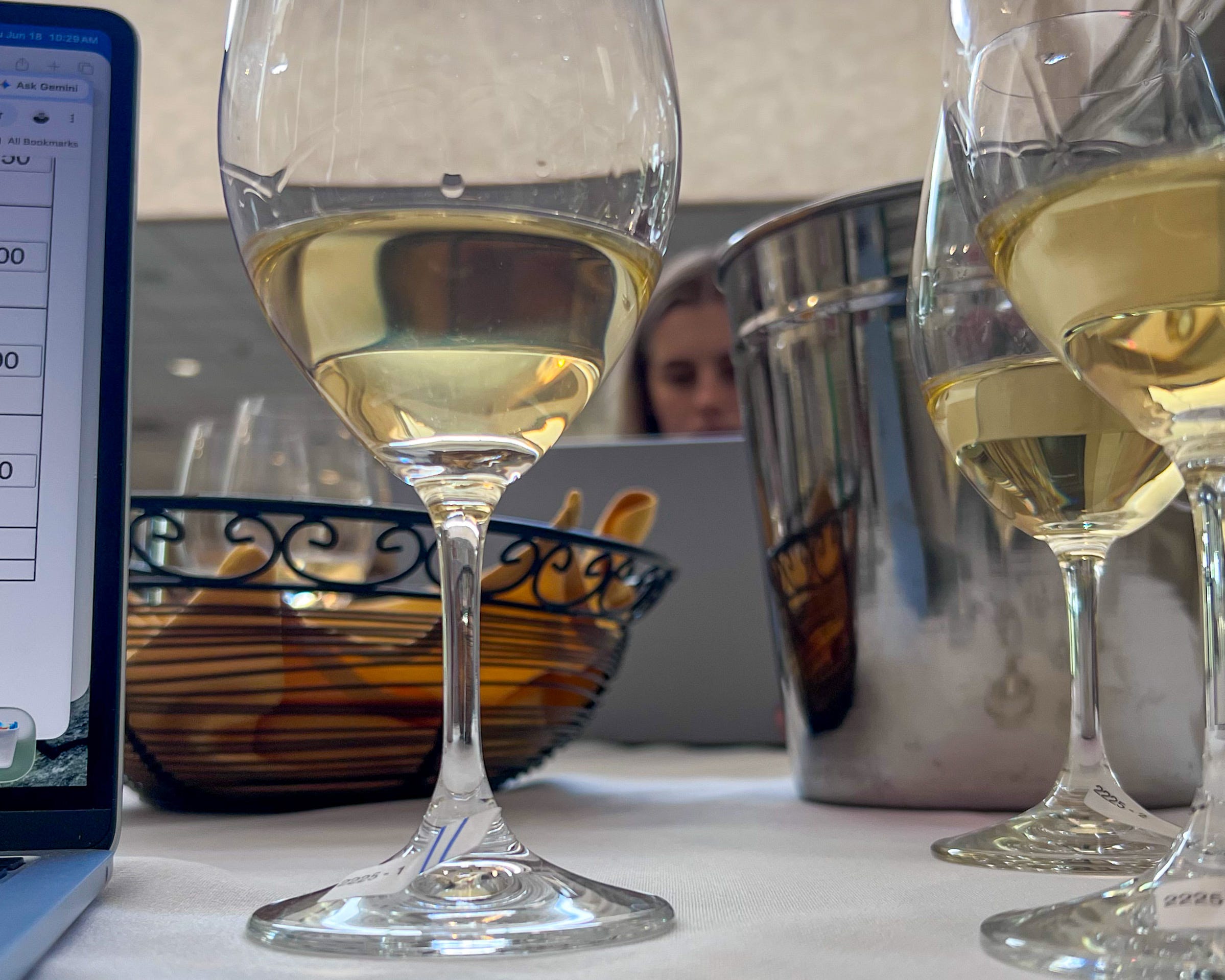
Nineteen years ago, I judged what are now known as the WineAlign National Wine Awards of Canada for the first time. I was part of the 2007 competition with Niagara-based sommelier James Treadwell and we recognized one of our favourite local wines, the debut vintage of Hidden Bench Nuit Blanche Rosomel Vineyard, as one of the samples being tasted blind.
We pushed hard for that rich and rewarding sauvignon blanc and semillon blend to get up on the podium. It ended up being named the White Wine of the Year.
This week I was back in the judging pool, tasting alongside 20 other judges over the course of five days. We tasted our way through more than 1,800 entries, which were divided into 325 flights and poured into more than 9,000 glasses.
The entries included such a wide range of expressive wines across all of the categories, it was impossible to single any out like we did Hidden Bench’s barrel fermented white blend back then. The quality of Canadian wine has improved significantly, with outstanding examples of every style being produced in vineyards across the country.
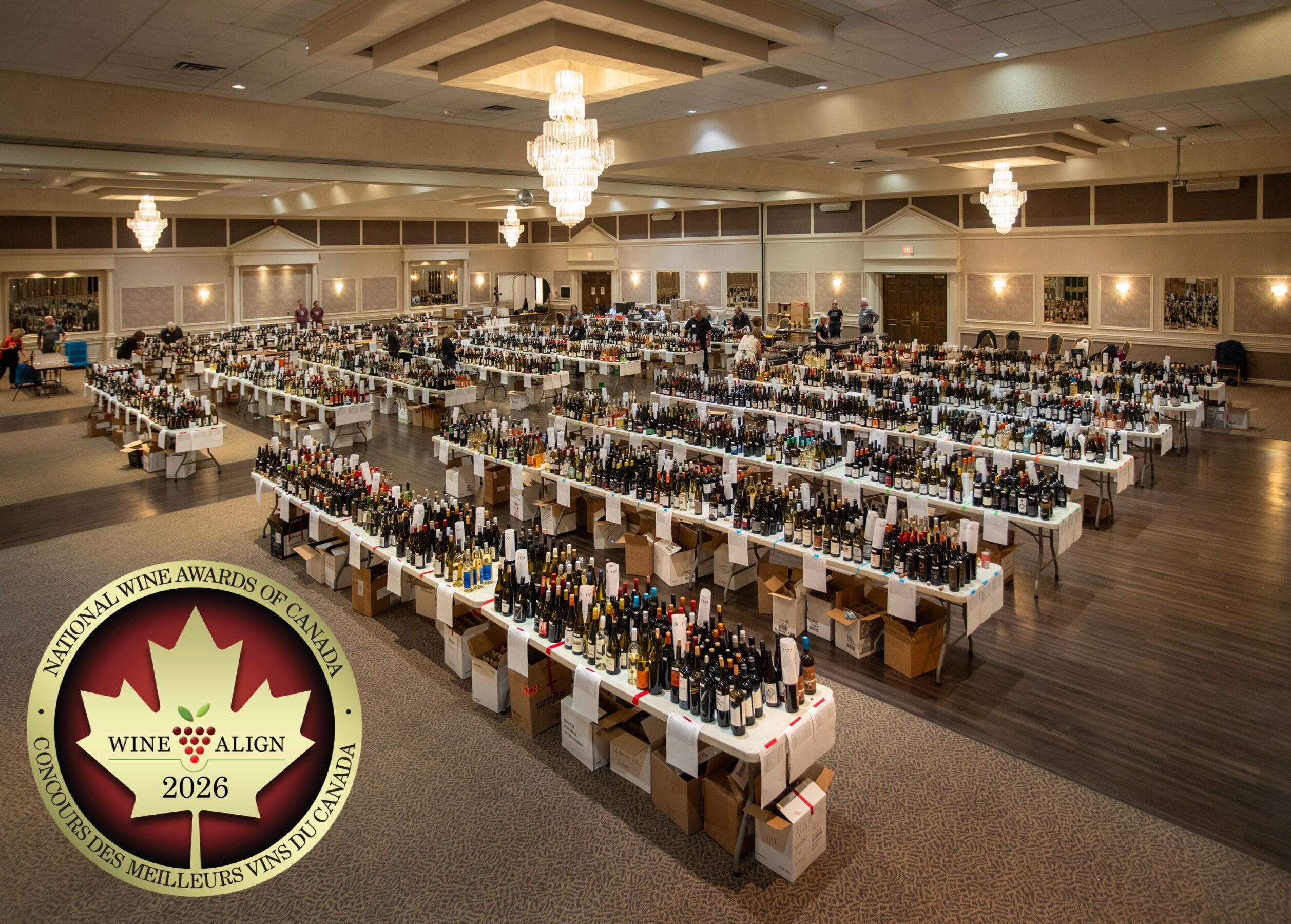
For the first three days, the judges work in groups of three and each panel tastes about 90 wines. The tasting order is randomised for each group to ensure fair evaluation and avoid the primacy effect (where tasters tend to favour the first sample in short flights) and the recency effect (where tasters often favour the last sample in long flights), as well as the carry-over effect. For example, when you taste a wine with high alcohol content and strong oak-derived flavours, it coats your mouth and can make the next wine taste weaker or overly acidic by comparison.
After scoring each wine, the panel discusses their scores and impressions before the panel chair submits their final scores.
On the final two days, the wines that scored highest are called back for a second look. This is to confirm that they deserve their score and to identify the very best wines as potential winners of a Platinum medal, which is awarded to the top one per cent of the entries.
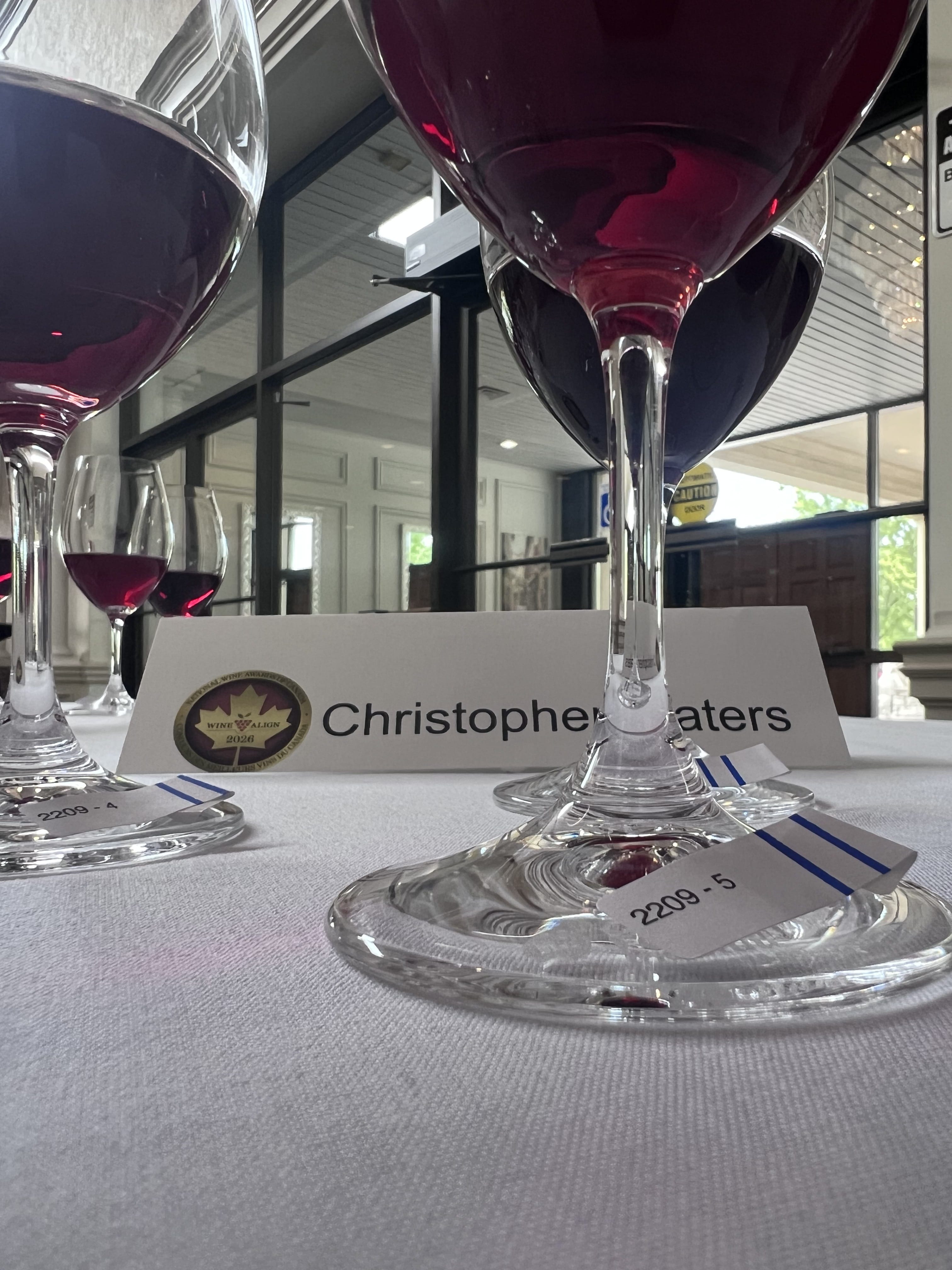
There were some serious wines examined during the five days. I cannot wait to see the results, which will be posted on WineAlign from mid-July onwards.
The nationwide competition was founded in 2001 by Wine Access magazine editors Anthony Gismondi and David Lawrason. In 2010, it was taken over by WineAlign, with the same core of judges, volunteers, and procedures remaining in place.
Saturday Sip
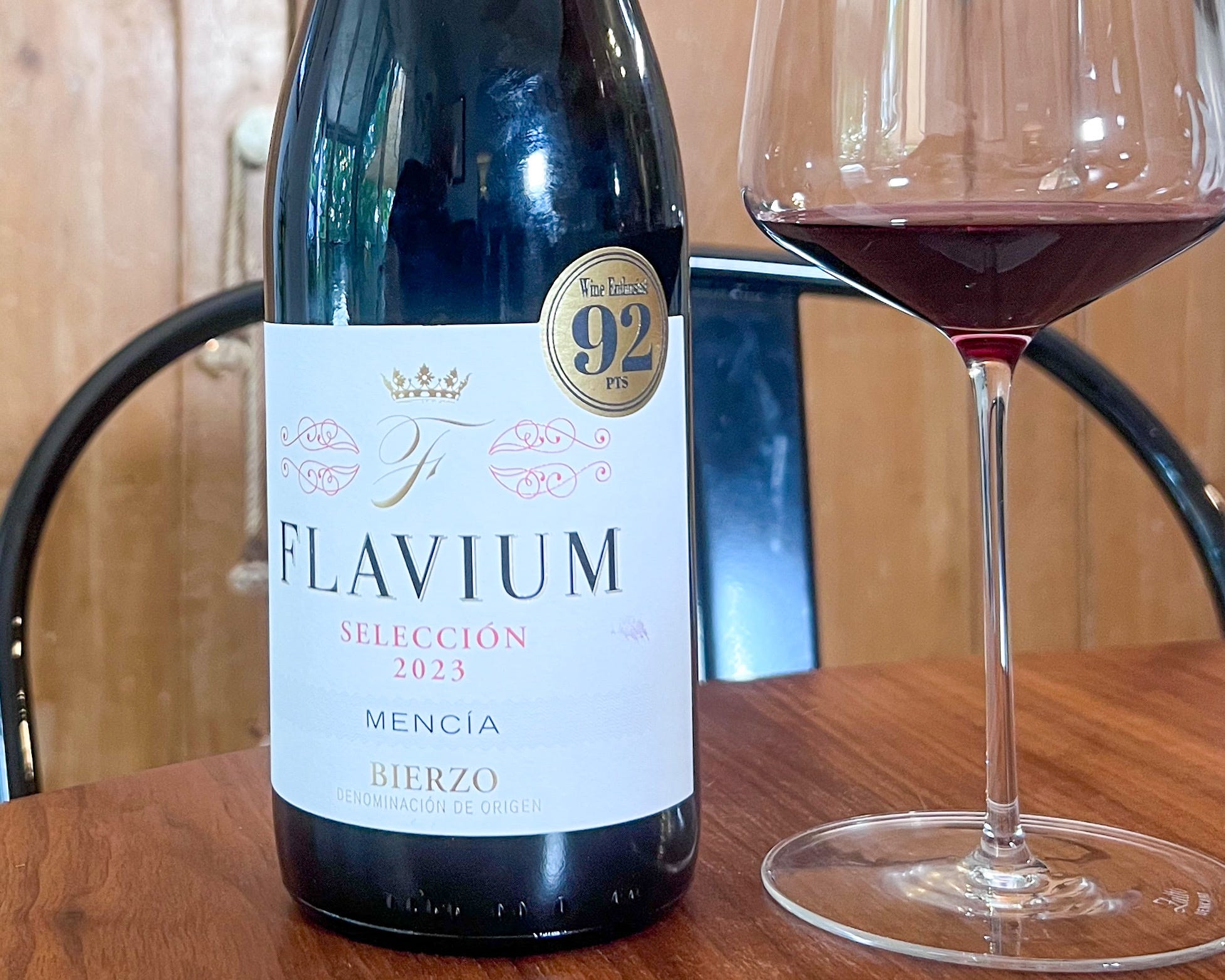
Flavium Selección Mencía 2023
Bierzo, Castilla y Leon, Spain $14.95 (574624)
This expressive red wine displays the Mencia grape’s distinctive fragrant and peppery characteristics, offering a pleasant balance of sweet and sour red fruits and pomegranate notes. The style is medium-bodied with attractive, concentrated fruit flavours, supple texture and lingering finish. A mix of herbal, spice and cedar notes contribute to the complexity. This has 13 per cent ABV and 3 g/litre r.s. Drink now to 2028. Available at the above price in Ontario. (91/100)
If you are enjoying what you are reading, please comment, like, share and subscribe. If you find the information valuable, please consider a paid subscription. Cheers!
I find it fascinating to hear about the work that goes on behind the scene at wine awards. How do you taste so many wines?
Is there a problem with these awards in that wines have to be submitted? So there could be great wines that never win anything because they are never entered into competitions.