
Second Act
The opportunity to revitalize Château Lascombes brought Axel Heinz back to Bordeaux

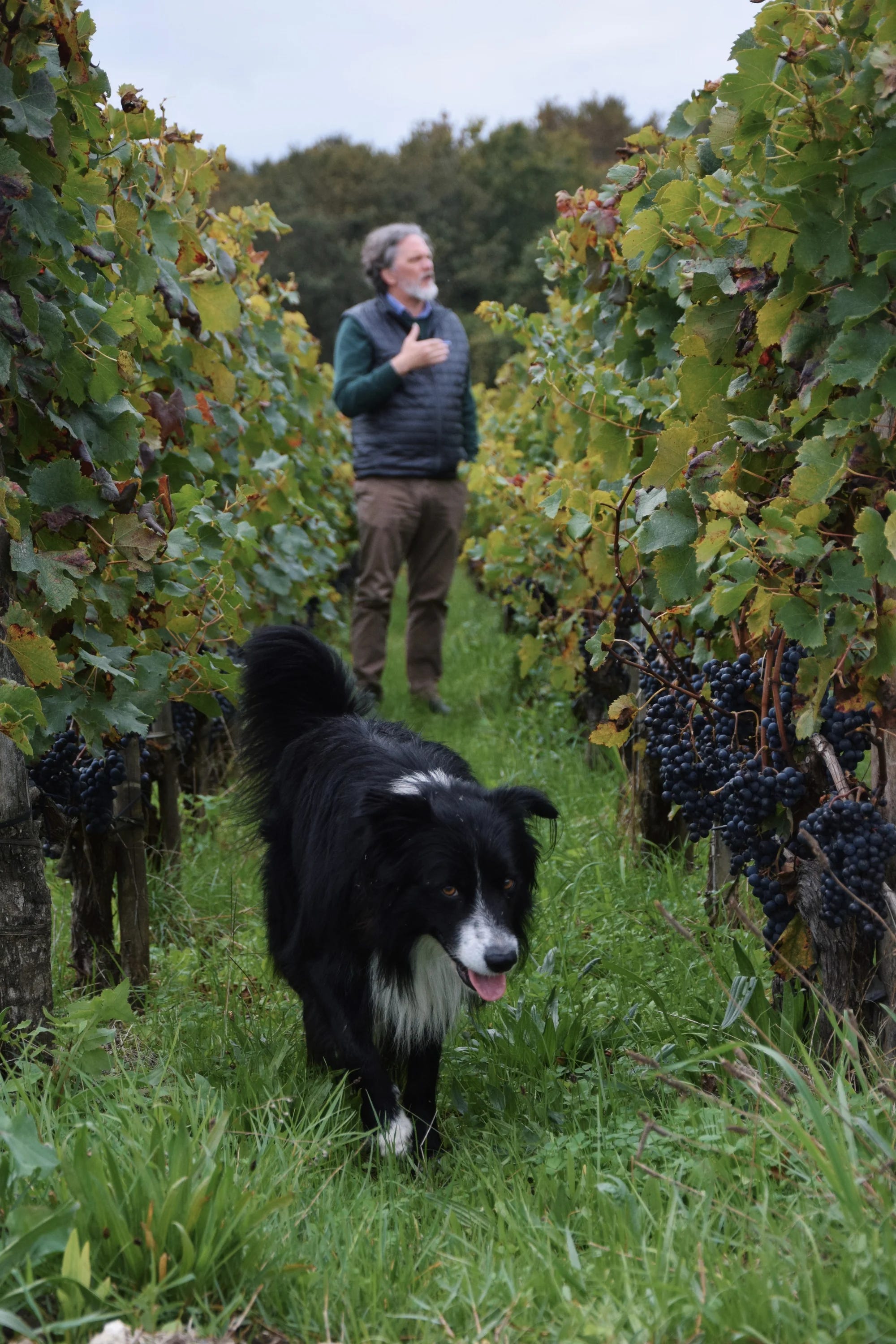
Axel Heinz, who oversaw Super Tuscan estate Ornellaia for 18 years, returned to Toronto to present the first wines produced under his leadership at Château Lascombes in Margaux. I spoke with him last week for my Globe and Mail wine column (see the gift link below) and joined select sommeliers and communicators to taste through the current Lascombes portfolio alongside an older vintage (2015), which provided context.
Thanks to Heinz’s outside perspective, change is coming to Château Lascombes. Before returning to Bordeaux in 2023, the German-born winemaker helped establish an international reputation for Ornellaia and Masseto in the Bolgheri region of Tuscany. Lawrence Wine Estates, based in California, hired Heinz to serve as CEO of the second-growth estate, which partners Gaylon Lawrence Jr. and Carlton McCoy purchased in 2022.
Many news reports announcing Heinz’s new position claimed that he was lured away from Ornellaia. However, the winemaker had a more pragmatic thought process.
“I knew that at some point, we would move back, either after retiring or sooner rather than later,” Heinz explains. He adds that he and his wife grew up in Bordeaux.
“I wasn’t in a rush, but if an interesting project presented itself, I would consider it.”
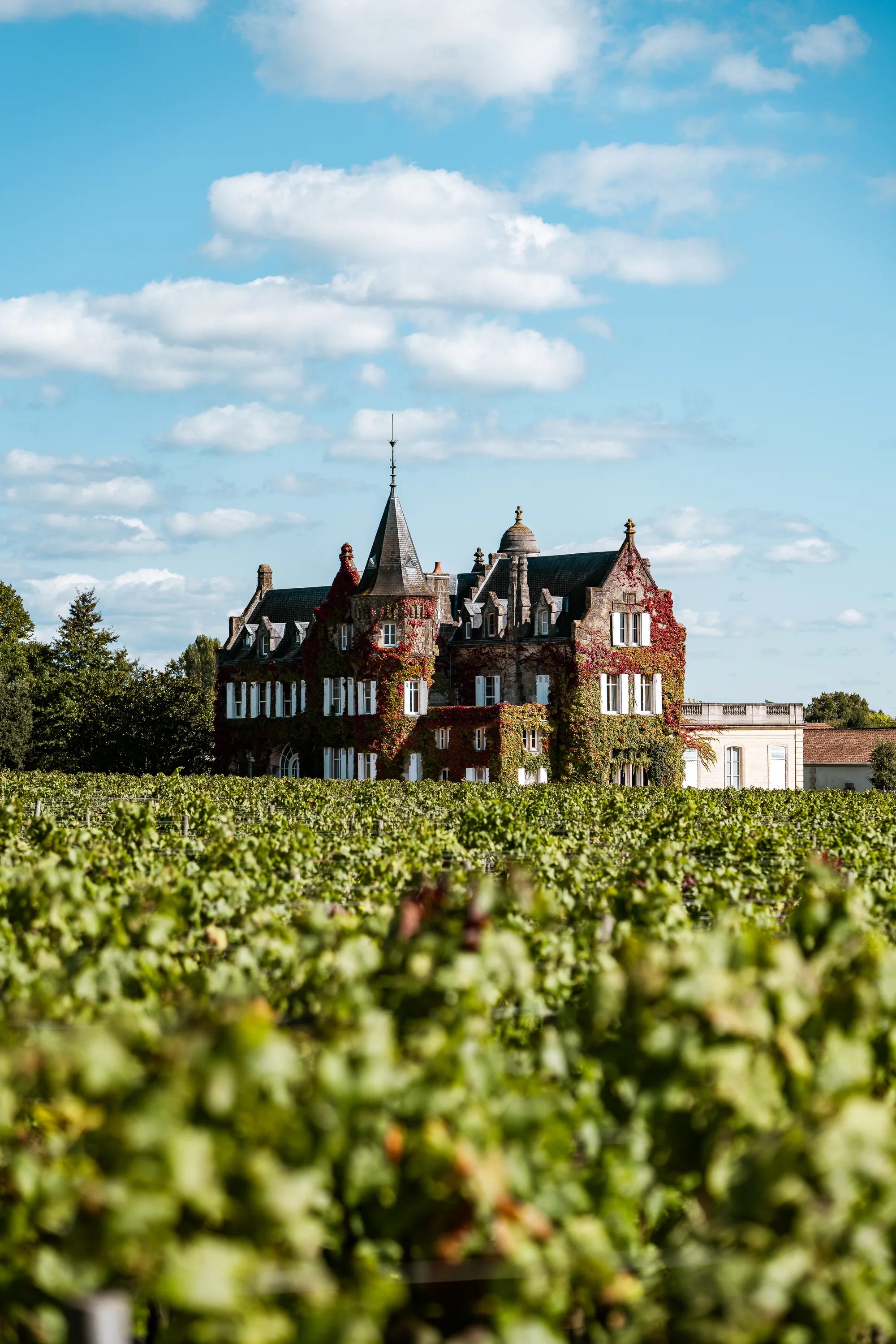
Heinz says accepting the position at Lascombes was a matter of timing and circumstance. Given Ornellaia’s tremendous success, he wondered if he had already achieved all he could there.
“Then there’s the age factor,” he continues. “If I had stayed to see what else I could achieve after four or five more years, I risked being too old to take on a new project. Fortunately, this opportunity presented itself at the right time, when I had the necessary energy and motivation to take on a new challenge.”
Lascombes’ New Look | Tasting Notes
Chevalier de Lascombes 2023
Margaux, Bordeaux
Second wine of Château Lascombes. 70 per cent Merlot, 27 per cent Cabernet Sauvignon, 3 per cent Petit Verdot. 16 months in oak (100 per cent 1 year used), barriques and foudres.
Perfumed, floral and expressive nose. It has an appealing texture that is silky with good concentration and fine-grained tannins. Its approachable plummy character shows cedar, graphite and licorice notes and a stony edge to the finish. This has 13.5 per cent ABV. Drink now to 2037. (93/100)
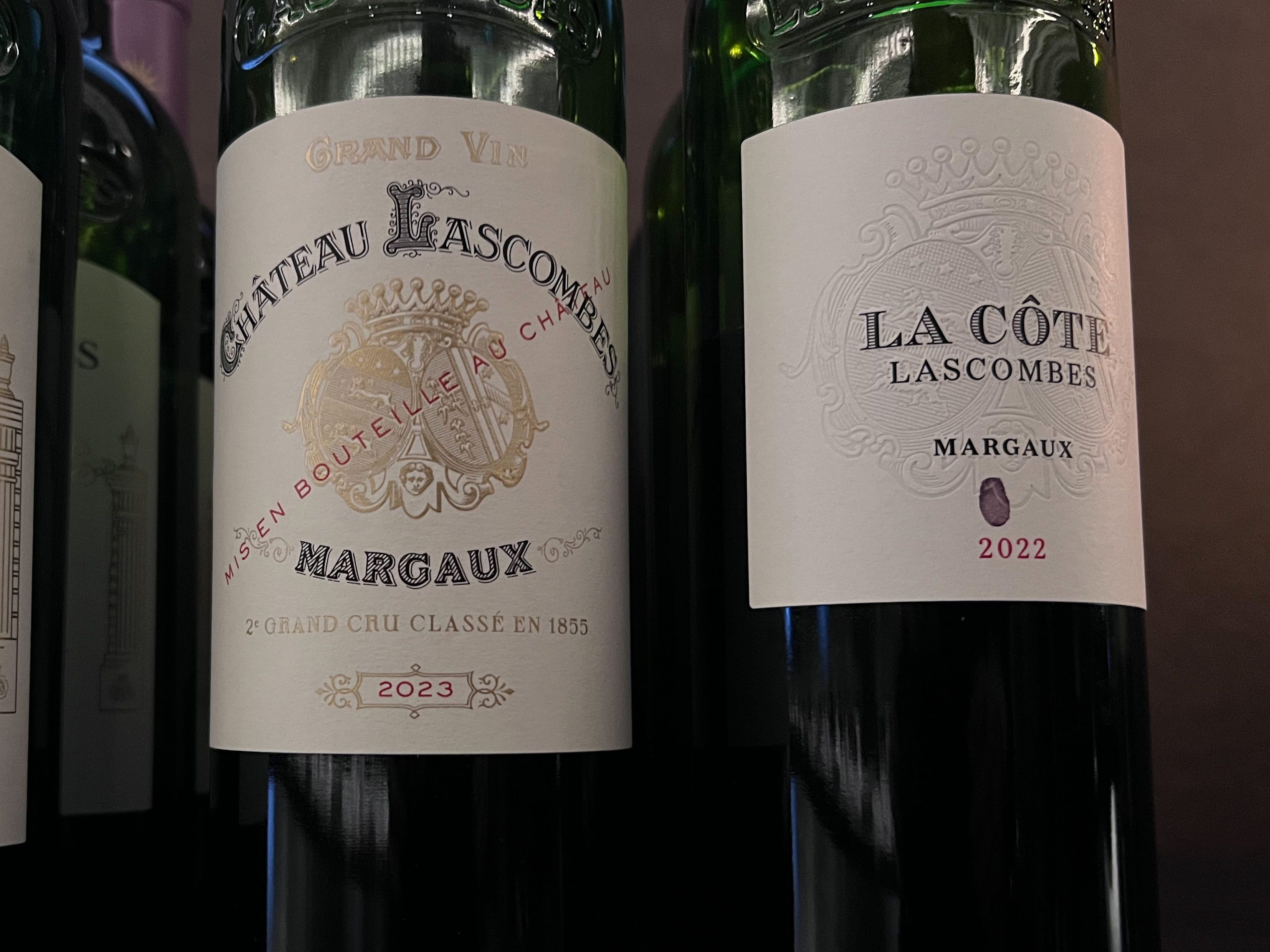
Château Lascombes 2023
Margaux, Bordeaux $129 (vintagesshoponline.com)
60 per cent Cabernet Sauvignon, 37 per cent Merlot, 3 per cent Petit Verdot and Cabernet Franc from historic terroirs. 18 months in oak (60% new) in barriques and foudres.
Ripe and fresh, with a core of dark fruit complemented by iron pressings, leather and floral notes. The palate is gentle and generous, with polished tannins contributing to its elegant structure, offering tremendous aging potential and immediate pleasure. A terrific introduction to the new look of Lascombes. This has 13.5 per cent ABV. Drink now to 2044. (95/100)
La Côte Lascombes 2022
Margaux, Bordeaux
100 per cent Merlot single vineyard block of Merlot with blue clay soils, vines planted in the 1980s. 18 months in oak barrels and casks (60 per cent new). Heinz calls this a new paradigm for Bordeaux. 20,000 bottles produced.
Generous and full-bodied expression with a streamlined character and focused plummy fruit notes of blue and red berries. A pleasure to drink. This has 14.5 per cent ABV. Drink now to 2050. (97/100)
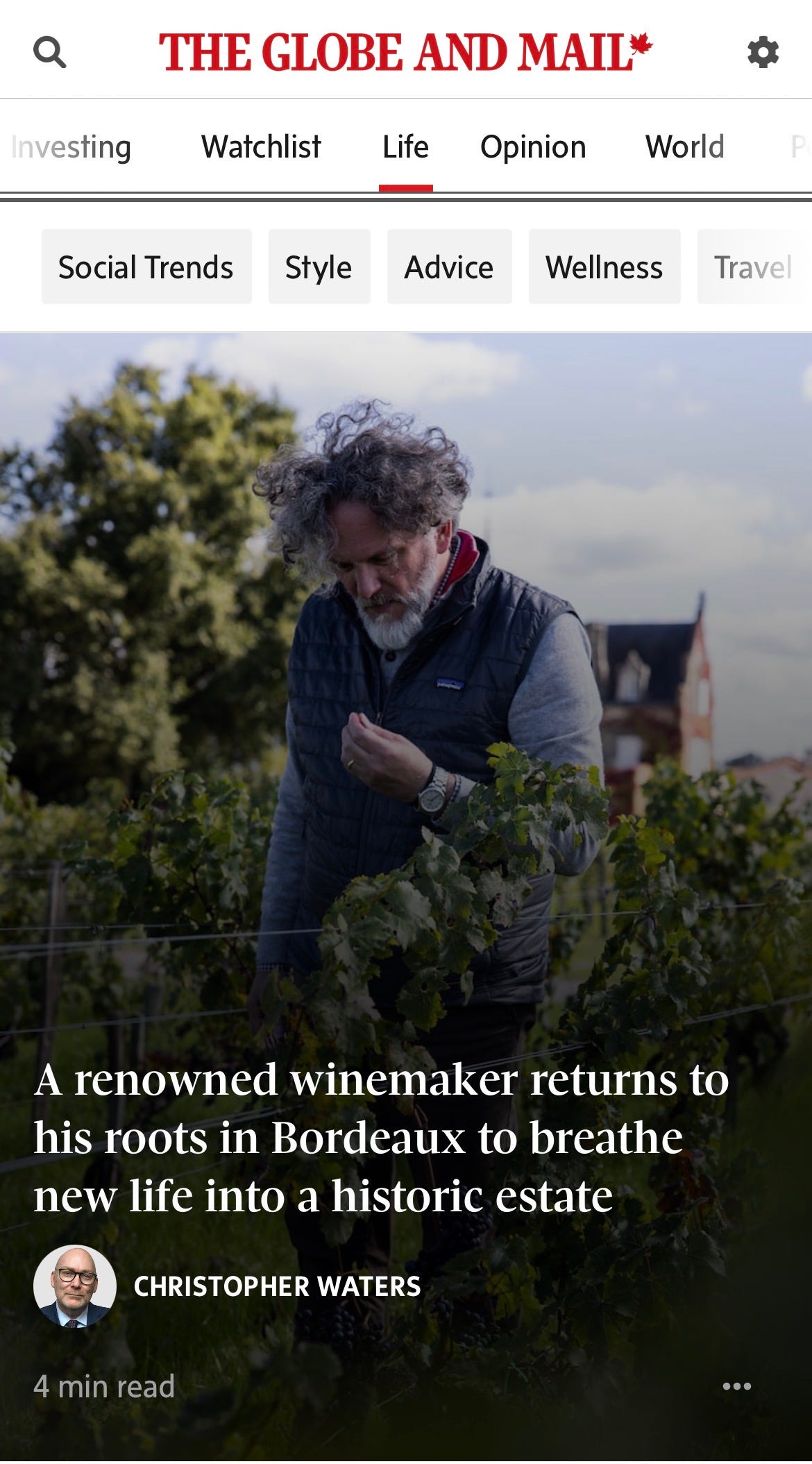
Axel Heinz moved to Tuscany in 2005 to make wine at the Frescobaldi family’s Ornellaia and Masseto estates in Bolgheri, thinking it would be a temporary stay before heading to another wine region.
“But then it turned into this exciting journey that lasted 18 years, at which point I needed a bit of fresh air,” says the celebrated winemaker who returned to Bordeaux in 2023 to take over Château Lascombes. (Gift link to paid-subscriber-only article.)
Saturday’s Sip
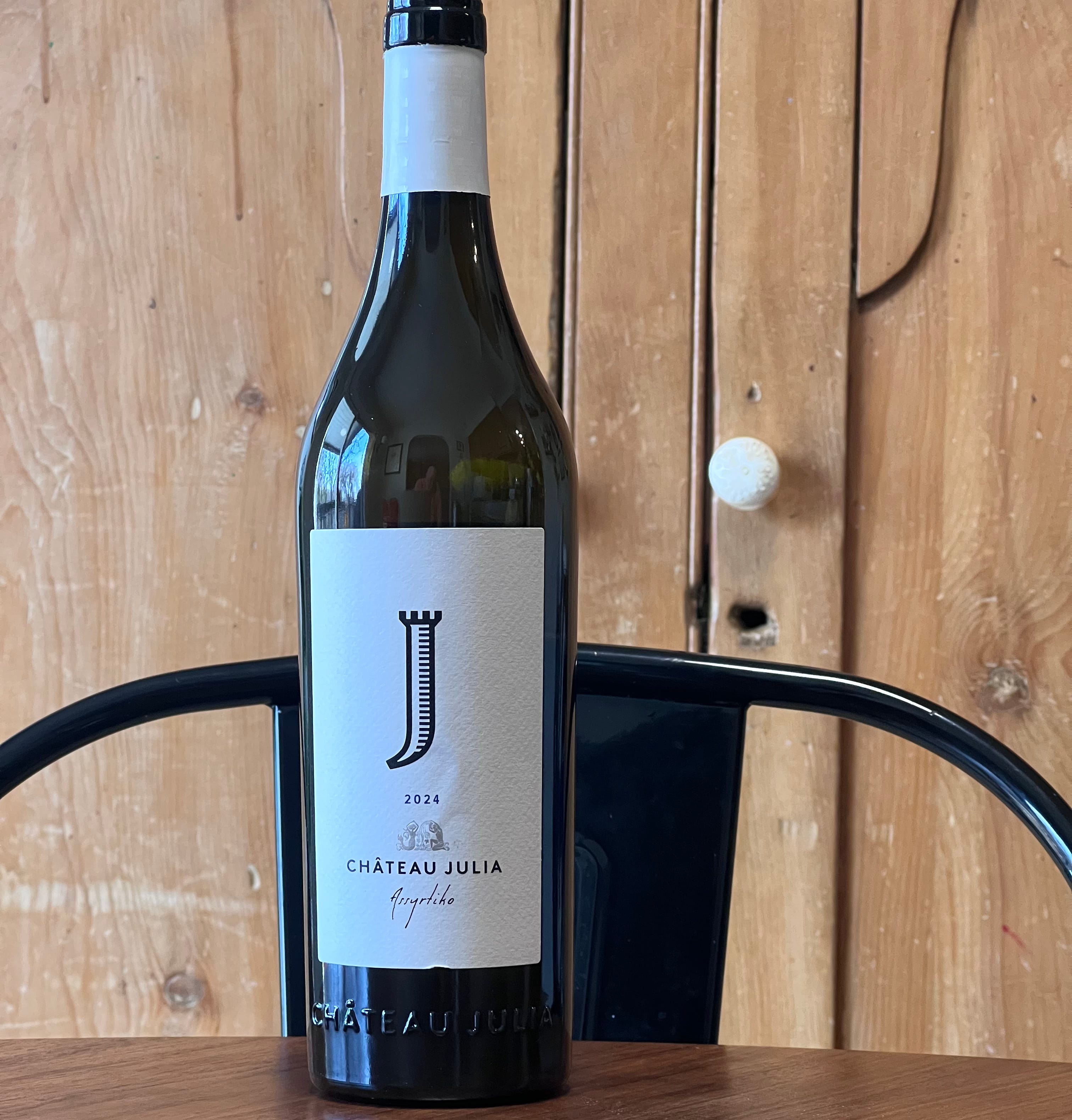
Château Julia Assyrtiko 2024
Drama, Greece $29.95 (30608)
In 1979, Domaine Costa Lazaridi introduced assyrtiko vines, native to the island of Santorini, to Drama in northeastern Greece. Demand for the expressive style of this dry white wine led to the variety picking up acreage across the country. One of the estate’s labels is Château Julia, a wine brand named after the family’s matriarch. They produce this tank-fermented version based on citrus fruit with stony and floral accents. This offers appealing purity and persistence, a lovely texture, and a structured profile. This has 13.5 per cent ABV and 2 g/litre r.s. Vegan. Drink now to 2030. (90/100)
If I Had Your Number…
Here are the article links I would text to you.
Sparking Interest

We know that wine is bottled poetry, capable of capturing the vintage, the land from which its grapes are plucked, the ambition of the hands that guide it in the field and cellar, the culture and history of the place in which it hails from.
It’s just most everyone else. They’ve forgotten. And they don’t want to be told in a masterclass. Please, stop trying to tell them in master classes.
Instead, throw a party in the vines. Preferably with a DJ, all the chilled wine, and a well-contained fire stoking the feast.
Don’t tell them wine is great: show them. Turn the music up, sing, show the people your dance moves, and throw back some electric Albariño in the process. They’ll get the message, and they’ll keep coming back. Kathleen Willcox, Good + Tasty
Fashionable Friends
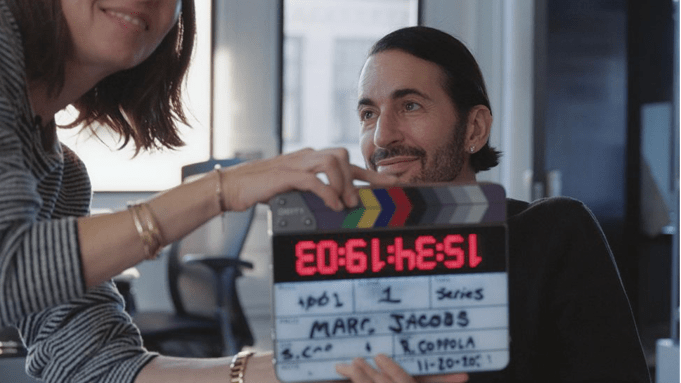
It struck me while watching Marc by Sofia that great fashion designers could be considered the most brilliant artists of all. Painters and sculptors, most of them spend their careers imitating themselves, in a sense. One Giacometti sculpture bears a notable resemblance to another, as incredible as they are, which is not meant as criticism; it’s how we recognize the distinctive character of an artist. But a fashion designer must reinvent themselves with every collection. They must keep pace with and even lead the evolution of culture. A Marc Jacobs collection from the early ’90 vs now bears little in common visually, except perhaps for an affection for knits. It’s astonishing to witness the expanse of his creative output. Matthew Carey, documentary editor, Deadline
Marc by Sofia is now playing in select theatres.
On the streets of Philadelphia
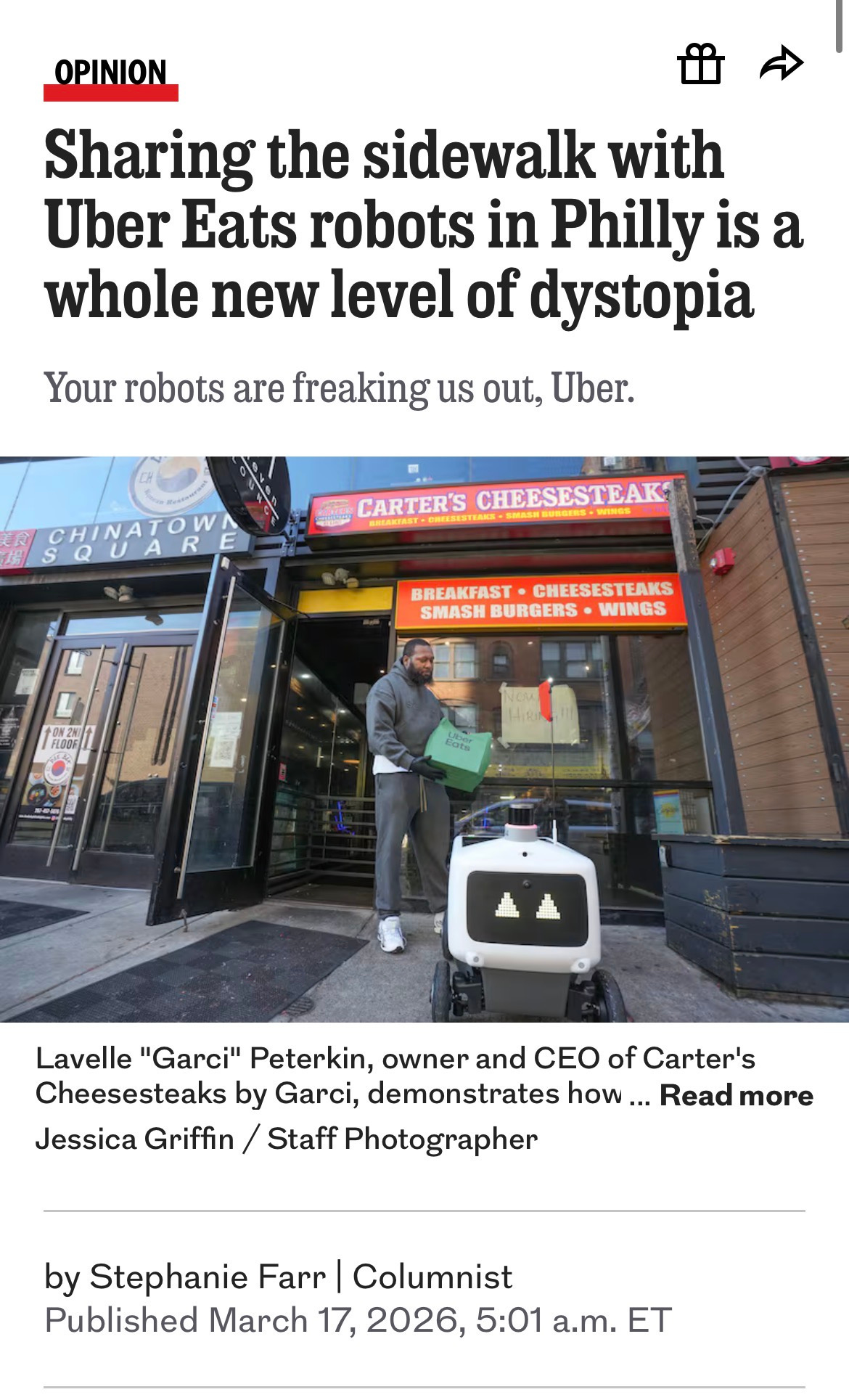
I told the girl in advance that she’d see some things on the streets of Philly she doesn’t see at home and that would be hard to see: people experiencing homelessness, people who are in addiction, and people who are suffering from mental illness. Part of living in a city, I told her, is to constantly be reminded of the struggles of others. Hopefully that makes you more compassionate toward all people and grateful for what you do have, but at the very least, it forces you to face the reality of our society and how difficult life is for some people.
What I didn’t warn her about were the robots.
Party like it’s 2016
In this house, the arrival of spring signals means more than just the renewal of Mother Nature. Birthday season is about to begin, as my daughter, wife and son will all celebrate personal milestones in the coming weeks. In May, Rhys will turn 10. Reaching double digits prompts added reflection on the past and future. At least for me. I will do my best not to emulate Jeremy Piven’s character in Grosse Pointe Blank, who, upon realizing how quickly time passes, pounds on the steering wheel and exclaims “Ten Years, Man. Ten!” Instead, I’ll listen to these songs from 2016 and marvel at how life has changed.
If you are enjoying what you’re reading, please comment, like, share and subscribe. And if you appreciate the content, please consider a paid subscription. Thank you.
“Part of living in a city, I told her, is to constantly be reminded of the struggles of others.” Great line.